


Debate about the naming of native plants under the Linnaean classification system
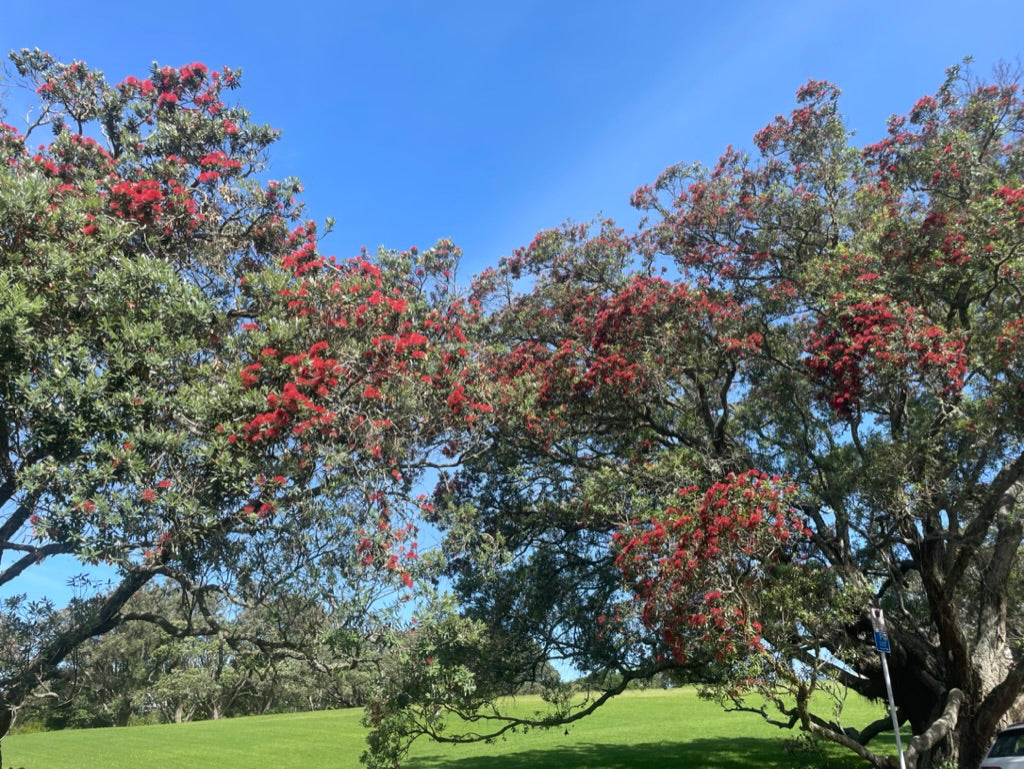
In the sphere of ecology and taxonomy, the recent invigoration of wider New Zealand culture by Māori concepts has planted a question. Should the Linnaean scientific names for New Zealand native species include their Māori common names, to reference mātauranga Māori and Aotearoa New Zealand culture and history?
What is Linnaean taxonomy?
Swedish botanist, zoologist and physician Carl Linnaeus in 1735 in the Netherlands published the first edition of Systema Naturae, a work that revolutionised natural history with its classification system for the natural world. Natural history since ancient times had schematically analysed the natural world.
Linnaeus presented a tiered taxonomy: kingdom, phylum, class, order, family, genus, species, grouping species by their morphology (external appearance or traits) and physiology (how living organisms function).
Charles Darwin, the British naturalist who proposed the theory of evolution by natural selection in On the Origin of Species (1859), connected all forms of life through evolution from a common ancestor. With its hierarchical taxonomy, the Linnaean system also implies a genealogical relationship between species. Darwin’s theory of natural selection explained how this branching occurred.
The first edition of Systema Naturae was noteworthy for being the first instance in which a naturalist placed humans within the Animal Kingdom. Linnaeus placed humans within the order primates, alongside apes. He also placed whales within the class fish but in the tenth edition (1758-59), whales were moved into the mammal class.
Systema Naturae went through twelve editions during Linaeus’ lifetime, with the final edition published between 1766 and 1768. The tenth edition introduced the binomial nomenclature system we use today.
What is the convention for naming species under the Linnaean classification system?
Linnaeus established the standard binomial nomenclature for naming organisms: the genus followed by the species. For example, a lion under the Linnaean naming system is called Panthera leo, which can be shortened to P. leo. Linnaean names are in Latin. Occasionally, in the process of naming, latin equivalents of names or words that do not exist in Latin are synthesised.
How are Linnaean names chosen?
There are a variety of conventions for naming new species today. Regulatory codes such as the International Code of Zoological Nomenclature and the International Code of Nomenclature for algae, fungi and plants govern this process.
Common naming practices describe a feature of the organism, such as its appearance, behaviour, habitat or geographical location, or honour individuals, such as historical figures. For example, Phormium cookianum, known in Māori as whāriki and in Pākehā vernacular as mountain flax, honours Captain Cook.
What names are used in the everyday Aotearoa New Zealand vernacular?
Vernacular names were adopted regionally. Where settler-Māori communities co-existed harmoniously, trading culture, goods and services, the vernacular was shaped by respect for Māori traditional culture, including mātauranga, blended with European ideals. Of course, New Zealanders know our native rimu, mānuka, mataī, pōhutukawa, kōwhai and many other plant species predominantly by their Māori names.
In other places where a pioneering spirit was more required, the names settlers gave the native plants they found, such as white pine, honeysuckle, wild Irishman, broadleaf and bush-lawyer, reflected the uses they found for the plants, familiar species from home, or observations of their cultural importance in Aotearoa.
Should there be more of an effort to include Māori names in Linnaean naming?
In light of the importance of names that have been adopted in Aotearoa New Zealand for our native species, some think it would be more meaningful to scientifically index our native species with Māori words and names. A Māori name is not only an index for the culture and history of Aotearoa New Zealand but also a reference for mātauranga Māori, which is in important active use in New Zealand society.
Many think it would be preferable to respect the distance between two separate naming systems, and not hybridise names. In particular, a Linnaean name can be meaningful in evoking the common genealogy of a New Zealand native with plants found in other parts of the world, and providing a broad-based scientific framework.
As always, the border between science and traditional knowledge is to be trodden with care.
Pictured: metrosideros excelsa / pōhutukawa / New Zealand Christmas tree last summer 2025-26 bloomed vigorously across Tāmaki Makau Rau
Kawakawa Balm

The perfect balance between incredible versatility and technical care.
An emollient used to treat irritations of the skin associated with; dry skin, eczema, psoriasis, bites, burns and nappy rash.
Shop Now