


Where is Mānuka Found?
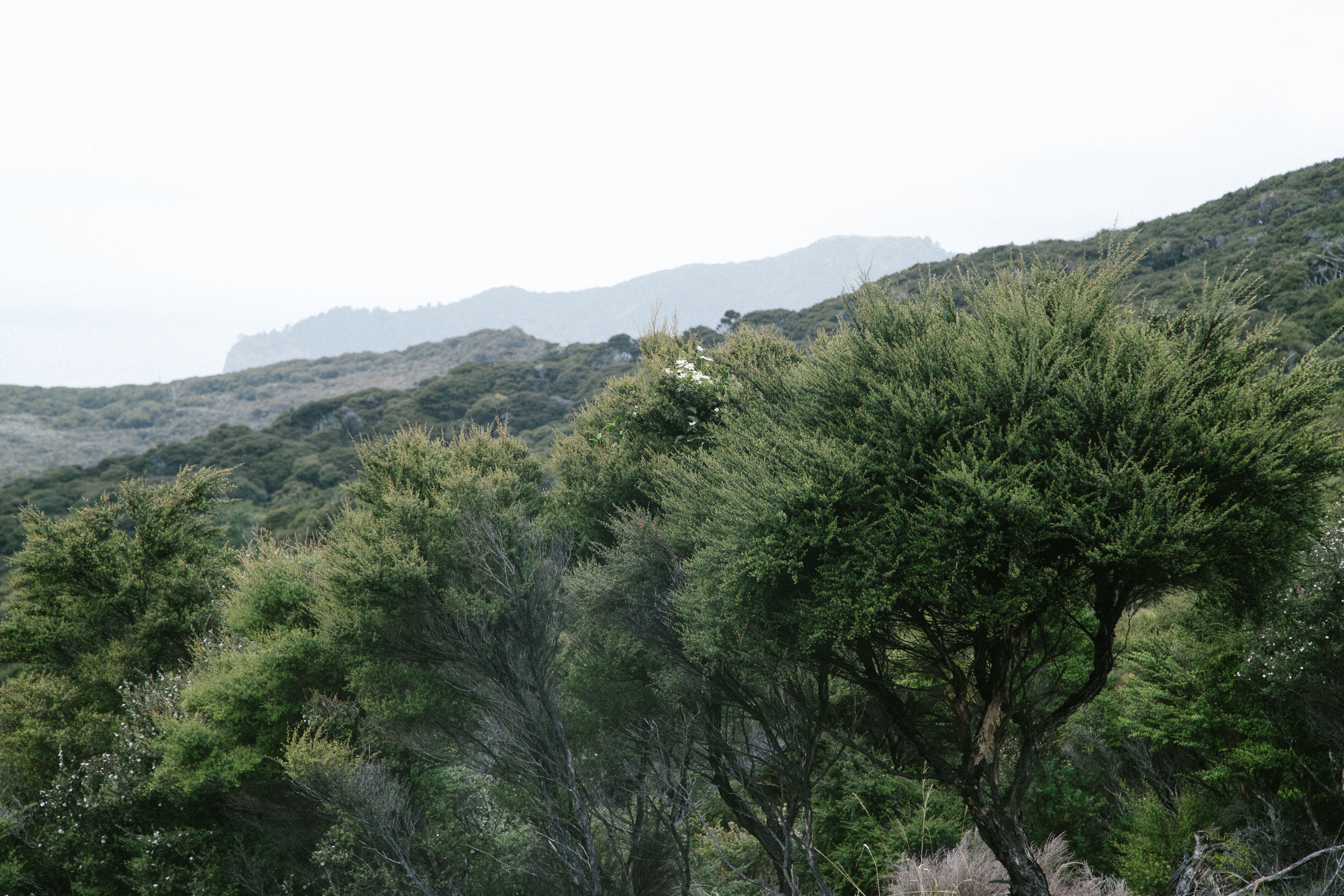
Mānuka is a highly valued plant in rongoā Māori and has been used for a wide range of purposes throughout history. Some of its traditional applications include:
- A soothing and healing tea brewed from the leaves
- Mānuka honey, derived from the flowers, valued for its strong antibacterial properties and use in skin repair and healing
- Mānuka bark used as a field dressing, wrapped and tied around fractures as a splint similar to a modern cast
- Strong, rot-resistant mānuka timber used for fence posts and construction
- Historical accounts of dense mānuka smoke used to revive drowning victims
- Hoe (paddles) for waka, often beautifully crafted from mānuka
- Construction of pā tuna (eel weirs) using mānuka stakes driven into riverbeds
- Weapons such as taiaha and toki (adzes) crafted from mānuka in pre-European times
Where Is Mānuka Found?
Mānuka is found abundantly throughout Aotearoa New Zealand. It is an extremely adaptable plant, growing from coastal environments up to altitudes of around 1,000 metres.
It thrives in a wide range of climatic conditions and can tolerate high winds, poor soils, and harsh environments. Mānuka can be found in places such as the Rangipo Desert in Tongariro National Park, on steep cliff faces, and in swampy wetlands.
Mānuka vs Kānuka
Mānuka is often mistaken for kānuka, another native tea tree species. The two plants grow in similar environments and are often found side by side.
A simple way to tell them apart is by their leaves: mānuka leaves are sharp and prickly, while kānuka leaves are softer. A common saying is “mānuka is mean, kānuka is kind.”
Both plants are easiest to identify between October and April, when they flower. At this time, entire hillsides can appear as if dusted with snow.
Our Mānuka at Aotea
At Aotea, we source our mānuka on Aotea (Great Barrier Island), where it grows as abundantly as it does in regions such as Te Tai Rāwhiti (East Cape) and Nelson.
Early settlers once viewed mānuka as a fast-growing scrub weed. Today, it is recognised as one of Aotearoa’s most valuable and sought-after natural resources.
Harvesting and Processing
After harvesting mānuka — always in accordance with tikanga — we most commonly process the plant through steam distillation. This method uses controlled heat to volatilise water without damaging the valuable oil compounds.
Mānuka is also closely associated with mānuka honey. Harvesting mānuka honey requires great care, with close attention paid to the welfare of our bees.
Mānuka’s unique antibacterial properties make it a truly remarkable plant, prized both in traditional practice and modern use. We are fortunate to have this native warrior growing across Aotearoa New Zealand.
Mānuka Honey 500+ MGO

Aotea Mānuka Honey 500+ has the highest MGO in our range. This is a great natural remedy for fighting bad bacteria and protecting the immune system.
Our Mānuka Honey is sourced sustainably from our hives on AOTEA – Great Barrier Island. The island is almost entirely covered in secondary forest growth consisting predominantly of manuka and kanuka. This helps to ensure our Mānuka Honey is of the highest quality. All our honey is sustainably sourced and packed straight from the hives so it's just as nature intended. Certified MGO rating 500+.
Shop Now